
Lightning Protection System Maintenance & Inspection Checklist
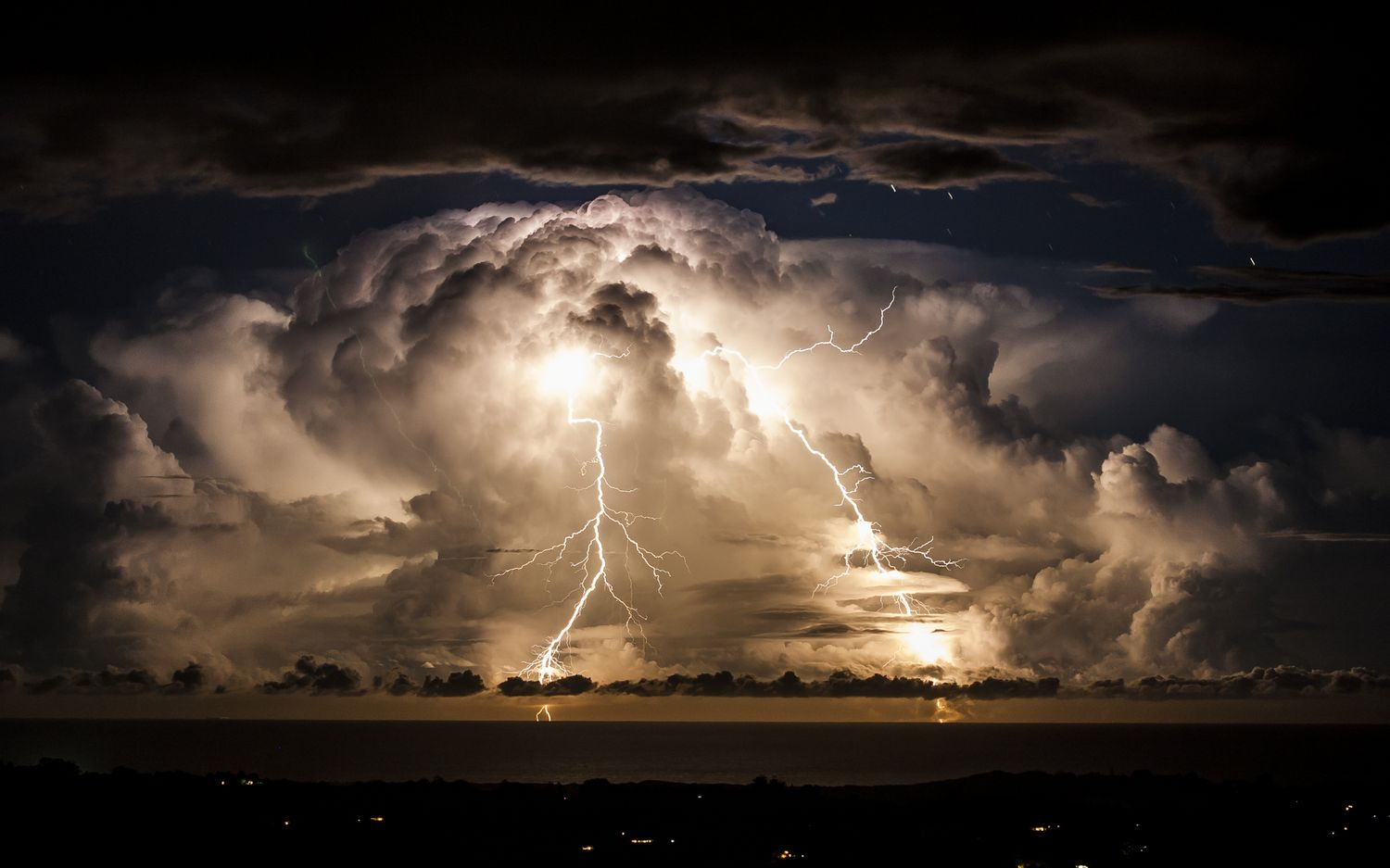
Singapore experiences one of the highest lightning densities in the world due to its tropical climate. As a result, lightning protection systems play a vital role in safeguarding buildings, occupants, and electrical infrastructure. While proper design and installation are essential, regular maintenance and inspection are equally critical to ensure the system remains effective over time.
This article outlines a practical inspection checklist for lightning protection systems, with direct reference to Singapore Standards (SS 555 series) and local regulatory expectations.
Applicable Singapore Standards
Lightning protection systems in Singapore are governed primarily by the singapore standard SS555, which is aligned with IEC 62305 and widely referenced by authorities such as the Building and Construction Authority (BCA).
Key parts include:
- SS 555-1 - General principles
- SS 555-2 - Risk management
- SS 555-3 - Physical damage and life hazard
- SS 555-4 - Electrical and electronic systems
Covers fundamental concepts of lightning protection.
Provides a methodology for assessing lightning risk and determining protection levels.
Details requirements for the design, installation, inspection, and maintenance of external lightning protection systems.
Addresses surge protection measures and inspection of internal systems.
Compliance with these standards helps ensure safety, performance, and regulatory acceptance in Singapore.
Importance of Routine Inspection and Maintenance
Over time, lightning protection components may deteriorate due to corrosion, environmental exposure, mechanical damage, or building alterations. Without periodic checks, a system that was once compliant may no longer provide adequate protection.
Regular inspections help to:
- Identify damaged or missing components
- Maintain effective grounding and bonding paths
- Ensure surge protection devices remain operational
- Demonstrate compliance with SS 555 requirements
Lightning Protection System Maintenance Checklist
-
Documentation Review
- Confirm availability of design drawings, as-built records, and previous inspection reports
- Ensure lightning risk assessments are current in accordance with SS 555-2
- Update maintenance logs with inspection findings and corrective actions
-
Air Terminals (Lightning Rods)
- Verify air terminals are correctly positioned and securely fixed
- Check for corrosion, deformation, or mechanical damage
- Ensure protection coverage has not been compromised by new structures
-
Down Conductors
- Inspect conductors for secure mounting and physical integrity
- Test continuity from air termination to earth
- Confirm routing maintains required separation from other services
-
Earth Termination System
- Inspect earth electrodes and connections for corrosion or looseness
- Confirm test joints are accessible and clearly identified
- Measure earth resistance values and compare them against design criteria
-
Equipotential Bonding
- Check bonding to metallic elements such as roofs, piping, HVAC equipment, and structural steel
- Verify bonding conductors are intact and corrosion-free
- Test continuity to reduce touch and step voltage risks in line with SS 555-3
-
Surge Protection Devices (SPDs)
- Inspect SPDs on power, data, and communication lines
- Check status indicators for operational condition
- Replace degraded or damaged SPDs promptly
- Ensure coordination between SPDs as guided by SS 555-4
-
Mechanical Condition
- Confirm all clamps, fasteners, and supports are secure
- Inspect conductor routing for sharp bends or excessive strain
- Check that recent renovation or maintenance works have not affected the LPS
-
Testing and Verification
- Conduct continuity testing for all main conductors
- Perform earth resistance testing using calibrated instruments
- Record test results for trend comparison and compliance purposes
Competency Requirements
Inspections should be carried out by personnel who are experienced and trained in lightning protection systems and familiar with Singapore Standards, such as:
- Professional electrical engineers
- Certified lightning protection specialists
- Competent electrical maintenance professionals
Proper expertise ensures accurate testing and reliable interpretation of results.
Conclusion
A lightning protection system is only effective if it remains intact and functional throughout its service life. In Singapore's high-risk lightning environment, routine inspection and maintenance for lightning protection system in accordance with SS 555 are essential to preserving system performance, ensuring safety, and maintaining regulatory compliance.
Using a structured checklist helps building owners and facility managers proactively manage risks and maintain confidence in their lightning protection systems.